
Picture this:
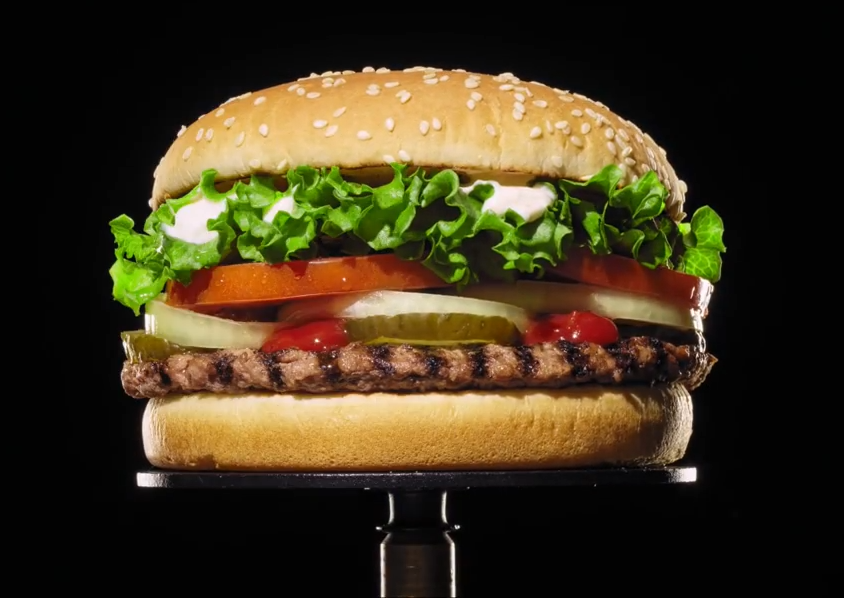
A glossy burger ad.
But, instead of glistening cheese and sesame-seed perfection, you’re watching the burger rot.
The bun sags. The lettuce browns and blue-green mould slowly creeps across the patty. Ewwwww.
It’s unsettling, even a bit disgusting.
And yet, you just can’t look away.
That was Burger King’s ‘Mouldy Whopper’ campaign, back in 2020. It was a full-blown rejection of the fast-food fantasy. It showed their signature burger decaying over 34 days to prove one thing:
no preservatives.
It also ended up getting:
- 8.4 billion media impressions
- an increase in sales of 14%
- positive-neutral sentiment at 88% and
- a 26% lift in perceived ingredient quality
It even reached 50% more people than the brand’s own multi-million-dollar Super Bowl campaign.
Sure, short-term it may have repelled people from wanting a burger because, let’s face it, it made people feel queasy. But that was the point.
In a category obsessed with fake perfection, Burger King chose to stand out by showing imperfection and by doing so, built trust over the long term.
That’s the distinctiveness effect in action: the human brain remembers what breaks the pattern.
What’s going on in your customer’s brain
When something looks or sounds different, it jolts our brains. It’s called the Von Restorff effect – we remember what doesn’t blend in.
Now think about your customer. They’ve had three coffees, 47 unread emails and a compliance report breathing down their neck. Their attention span is hanging by a thread.
And then, your campaign lands in their inbox.
It looks and sounds like everything else.
Blue gradients, stock images of handshakes and “empowering financial futures”.
You’ve lost them before they’ve even started to scroll.
But if your message breaks the mould (😜!) and puts out a bold claim, an unexpected truth or a story that feels real, you’ve got a good shot at being remembered.
Distinctiveness doesn’t mean being shocking for the sake of it.
It means being brave enough to show something others won’t. Whether it’s the human side, the messy bit or the truth beneath the polished veneer that we all assume our prospect wants to see.
-----------------------------------------------------
✳️ Break in transmission...
While we’re on the subject of standing out, I've introduced something new...
It’s called The ALPHA Marketing Strategy. It’s mainly for SMEs in finance and fintech who are tired of generic playbooks. It’s for the teams that need a clear, custom, actionable plan to cut through the noise, simplify their message and turn clarity into growth.
I’m creating it because too many businesses I work with keep saying the same thing to me:
“We know what we want to say we just don’t know how to go about saying it. Our process is too scattered, inconsistent and complex."
-----------------------------------------------------
Using contrast to create distinctiveness
Let’s take two companies offering almost identical services:
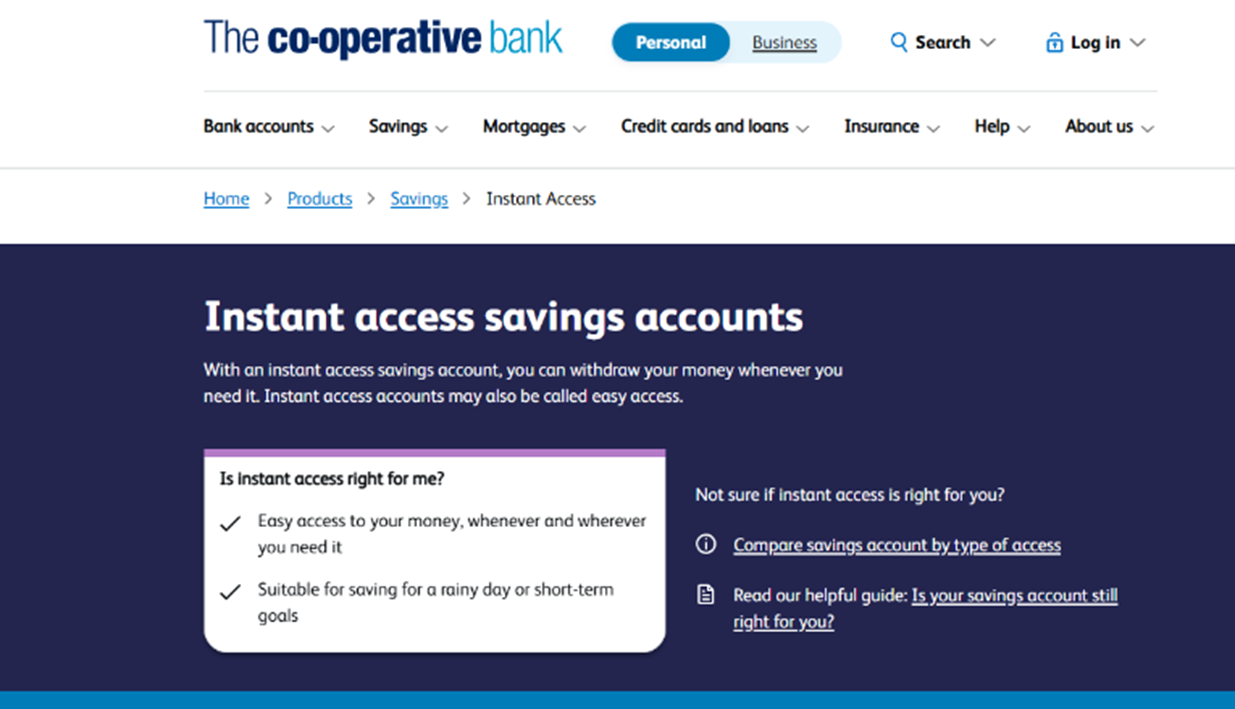
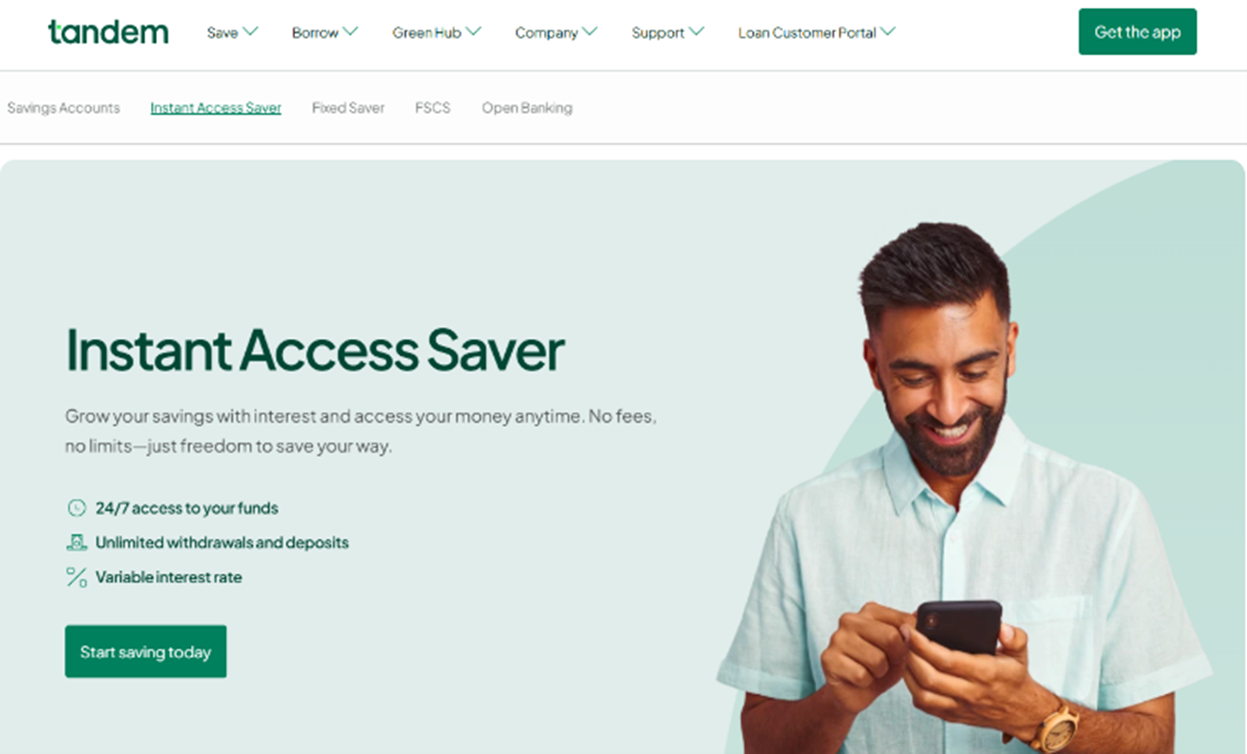
Tandem Bank and The co-operative bank.
Both are small/mid-tier banks offering savings and loans. Both regionally based in the North-West of the UK.
But the way they communicate with their customers is vastly different.
Tandem leans into personality. Their content talks about “money done better” or “Save a little greener”, with video of real people and uses friendly, casual language. Their green branding feels fresh and human. It says, “We’re approachable, so come talk to us.”
The co-operative bank, on the other hand, has the same product structure and an ‘ethical’ approach, but its language often feels colder, more basic, matter-of-fact and less relatable. Stock images appear more common.
One feels like a brand you could text. The other, like one that might send you a PDF.
Both are credible. Only one is memorable.
How to stand out
Being distinctive isn’t about being loud, it’s about being intentional. Ask yourself:
- Does this idea break a familiar pattern in my space?
- Would my audience stop scrolling to understand what I mean?
- Is it true to my brand or am I being different just to be different?
The most effective campaigns aren’t constantly trying to be weird, they’re focused on being seen.
Final thought
In finance, being different can feel risky.
But distinctiveness is about choosing to say something real, clearly and your way.
If your brand doesn’t make people feel something, such as surprise, curiosity or even discomfort, it won’t make them remember you either.











Leave a comment
Your email address will not be published.